
12 White Foods After Teeth Whitening: What Your Dublin, CA Dentist Recommends
Quick Summary After teeth whitening, choosing light colored and gentle foods can help you feel...
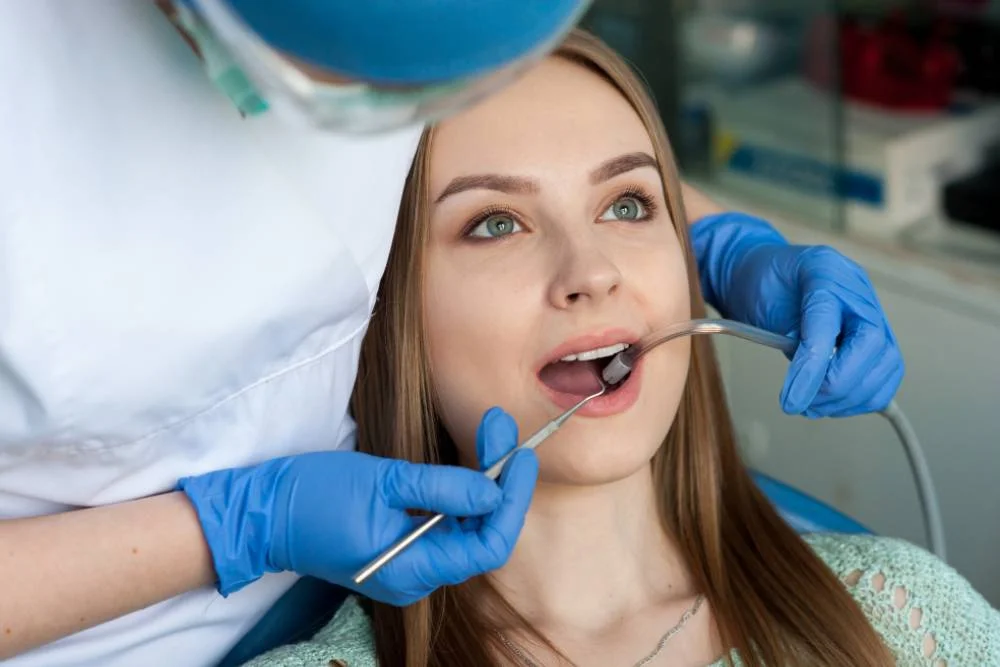
Healthy teeth and gums rely on consistent daily habits combined with routine dental care, since even small improvements in brushing, flossing, hydration, and nutrition can positively affect long-term oral health. Learning how to have good oral hygiene also helps reduce the risk of cavities, gum disease, and ongoing dental discomfort while creating a stronger foundation for a healthier smile.
Understanding how to improve oral hygiene starts with building simple habits that protect teeth and gums every day. Oral health affects much more than appearance because bacteria and inflammation inside the mouth can gradually influence comfort, confidence, and overall wellness throughout different stages of life.
Many people focus only on brushing while overlooking other important aspects of oral care, including flossing, hydration, nutrition, and preventive dental visits. A complete oral hygiene routine helps remove plaque, reduce harmful bacteria, and lower the likelihood of tooth decay and gum disease over time.
At Dublin Unique Dentistry, we believe long-term dental health comes from education, consistency, and personalized care. Our team uses advanced technology and patient-focused treatment methods that help families build healthier oral hygiene routines while protecting smiles for years to come.
Brushing remains one of the most important parts of oral hygiene, but technique matters just as much as frequency. We recommend brushing for two full minutes in the morning and before bed using a soft-bristled toothbrush and fluoride toothpaste that gently cleans teeth without damaging enamel or irritating gum tissue.
Short or rushed brushing sessions often leave plaque around the gumline and between teeth. Circular motions combined with gentle pressure help remove debris more effectively while keeping gums healthier. Replacing toothbrushes every three months also improves cleaning performance and reduces bacterial buildup on worn bristles.
Flossing reaches areas that toothbrush bristles cannot fully clean, which makes it an important part of daily oral care alongside routine dental cleaning appointments. Food particles and plaque often collect between teeth, where bacteria continue growing throughout the day. Without flossing, these hidden areas may eventually develop cavities, inflammation, or gum recession that affects long-term oral health.
Good oral hygiene requires daily flossing, not just occasional use. Whether you choose traditional floss, a water flosser, or interdental brushes, these tools help remove trapped food particles and plaque, support healthier gums, and reduce bad breath caused by bacteria buildup.
Nutrition directly affects oral health because sugary foods and acidic beverages create an environment where harmful bacteria thrive. Frequent snacking and sweet drinks expose teeth to constant acid attacks that gradually weaken enamel and increase the likelihood of cavities.
We encourage balanced meals that include calcium-rich foods, crunchy vegetables, lean proteins, and plenty of water. Foods such as cheese, yogurt, apples, carrots, and leafy greens help stimulate saliva production while contributing valuable nutrients that strengthen teeth and gums naturally over time.
Water plays a major role in maintaining a healthier mouth because it helps rinse away food particles and bacteria between brushing sessions. Saliva production also depends on proper hydration, and saliva acts as a natural defense system that neutralizes acids while protecting enamel from damage.
Dry mouth may increase the risk of tooth decay, gum irritation, and persistent bad breath. Drinking water consistently during the day helps maintain moisture levels inside the mouth while improving comfort and supporting overall oral hygiene habits in a simple and effective way.
Professional dental cleanings remove hardened plaque and tartar that brushing and flossing cannot eliminate at home. Regular examinations also allow us to identify concerns early before they progress into more serious dental conditions that require extensive treatment.
Routine appointments play a valuable role in teaching patients how to maintain oral hygiene more effectively based on their individual needs. During preventive visits, we evaluate gum health, check for early signs of decay, and recommend personalized strategies that strengthen long-term dental wellness.
Certain everyday habits gradually damage teeth without people realizing the long-term effects. Nail biting, chewing ice, smoking, teeth grinding, and using teeth as tools can weaken enamel, irritate gums, and increase the risk of fractures or dental emergencies.
Improving oral hygiene sometimes requires changing behaviors that place unnecessary stress on teeth and gums. Mouthguards for grinding, stress management techniques, and healthier coping habits can reduce damage while preserving natural teeth more successfully over time.
The large number of oral care products available today can make it difficult to know which options actually benefit dental health. Whitening products, abrasive toothpaste formulas, and trendy oral rinses may not always fit every patient's needs or oral condition.
We recommend choosing products approved by reputable dental organizations and discussing concerns during routine appointments. Personalized guidance helps patients select toothbrushes, toothpaste, flossing tools, and rinses that fit their dental goals while protecting enamel and gum tissue more effectively.
Children benefit greatly from learning proper oral hygiene habits at an early age. Consistent brushing routines, healthy snack choices, and regular dental visits help create positive habits that often continue into adulthood and reduce future dental complications.
Parents can make oral care more engaging by brushing together, using timers, and encouraging consistency rather than perfection. Building familiarity with dental visits also helps children feel more comfortable during appointments while developing confidence around long-term dental care.
Healthy oral hygiene routines create long-term benefits that protect comfort, confidence, and overall wellness throughout life. At Dublin Unique Dentistry, we focus on compassionate care, advanced treatment options, and preventive dentistry that helps patients maintain stronger smiles for years to come.
Contact us today to schedule an appointment and learn more about personalized dental care strategies that fit your lifestyle and long-term oral health goals.
Flossing removes food particles and bacteria between teeth where toothbrushes cannot reach. Daily flossing also helps lower the risk of gum disease.
For optimal oral health, brush your teeth at least twice a day using fluoride toothpaste and a soft-bristled toothbrush. Regular brushing removes plaque, helps prevent tooth decay, and supports healthy gums.
Crunchy vegetables, dairy products, leafy greens, and water-rich foods help strengthen teeth and stimulate saliva production that protects enamel naturally.
Most people benefit from dental visits and cleanings every six months. Routine appointments help identify concerns early while keeping teeth and gums healthier.
Quick Summary After teeth whitening, choosing light colored and gentle foods can help you feel...

Quick Summary Coffee before a dental appointment depends on the type of visit you have...

Quick Summary After teeth cleaning, it is best to avoid acidic drinks, hard snacks, sticky...