
12 White Foods After Teeth Whitening: What Your Dublin, CA Dentist Recommends
Quick Summary After teeth whitening, choosing light colored and gentle foods can help you feel...
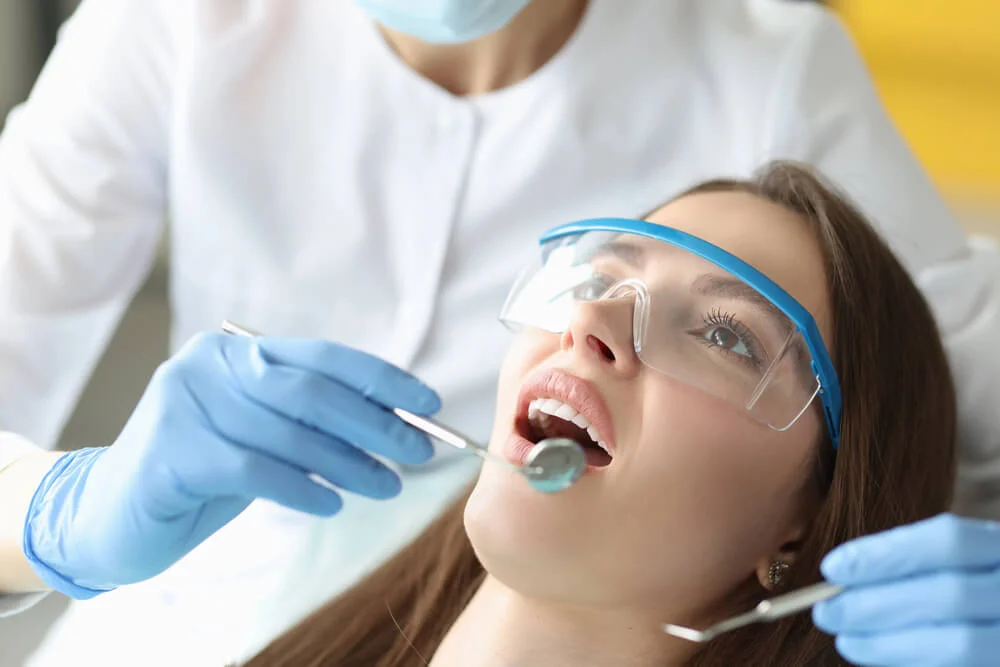
Eating before a dentist appointment is usually fine for routine cleanings, exams, and consultations, especially if you choose a light and balanced meal. However, appointments involving sedation, oral surgery, or more complex dental procedures often require fasting beforehand for safety reasons. Foods that are sugary, greasy, acidic, or strongly flavored are best avoided because they may increase sensitivity or leave lingering odors during treatment. Staying hydrated with water before your appointment can also help keep your mouth comfortable and prevent dryness. The guidelines may vary depending on the procedure, so it is important to follow your dentist’s instructions carefully. Knowing what to eat, what to avoid, and when fasting is necessary can help make your dental visit smoother and more comfortable.
By Lizeth, Office Manager at Dublin Unique Dentistry
Scheduling a dental appointment involves more than choosing a convenient time. Many patients wonder whether eating before a dentist appointment is allowed, and the answer often depends on the type of treatment they are receiving. While routine dental visits usually allow for a light meal beforehand, procedures involving sedation or anesthesia may require fasting for a certain period.
Understanding what to eat, what to avoid, and when fasting may be necessary can help you feel more prepared for your visit. It can also improve your comfort during treatment and reduce the risk of complications.
There are usually no strict food restrictions before routine dental appointments such as exams, cleanings, or consultations. In most cases, eating a light meal beforehand is recommended because it can help you stay comfortable during your visit. Foods like yogurt, fruit, toast, oatmeal, or a smoothie are good options that are unlikely to irritate your teeth or gums.
However, it is best to avoid foods that are greasy, overly sugary, or strongly flavored right before your appointment. Garlic, onions, sugary snacks, and acidic beverages may leave lingering odors or increase tooth sensitivity during your cleaning. Brushing and flossing before arriving can also help create a fresher and more comfortable experience.
What you eat before your appointment can sometimes influence how comfortable your treatment feels. Sugary foods and acidic drinks may temporarily increase tooth sensitivity, especially if you are already dealing with enamel wear or gum irritation. Sticky foods can also leave residue between teeth, making your cleaning appointment slightly less pleasant.
For procedures involving local anesthesia, such as fillings or crowns, your dentist may recommend eating beforehand because your mouth could remain numb for several hours after treatment. Eating while numb may increase the risk of accidentally biting your cheek, tongue, or lips. Having a balanced meal before your visit can help you avoid discomfort later in the day.
Sedation dentistry requires additional preparation, especially regarding food and drinks before your appointment. If you are receiving oral sedation, IV sedation, or general anesthesia, your dentist will likely ask you to avoid eating for several hours beforehand. This helps reduce the risk of nausea, vomiting, or choking during the procedure.
The fasting period can vary depending on the type of sedation and the length of the treatment. Procedures such as wisdom tooth extractions, dental implants, or complex restorative treatments often require stricter guidelines. Your dental team will provide clear instructions so you know exactly when to stop eating and drinking before your appointment.
Certain procedures require patients to avoid food completely before treatment. Surgical procedures like dental implants, tooth extractions, or treatments performed under general anesthesia often involve fasting instructions for safety reasons. Following these instructions carefully helps minimize complications and allows sedation medications to work properly.
After these procedures, you may also need to follow a temporary soft food diet while healing. Preparing ahead of time by understanding your dietary restrictions before and after treatment can make recovery much smoother and more comfortable.
Eating a heavy meal before a dental procedure involving sedation can sometimes lead to nausea or stomach discomfort. Foods high in grease, sugar, or spice are more likely to cause digestive irritation once sedation medications are administered. This is why dentists often recommend lighter meals or temporary fasting before certain appointments.
Your dentist’s instructions are designed to protect your safety and comfort throughout treatment. Following these recommendations carefully can reduce complications, help medications work effectively, and create a smoother overall experience during your procedure.
Staying hydrated before your appointment is just as important as choosing the right foods. In most cases, drinking water before routine dental visits is encouraged because it helps prevent dry mouth and keeps you comfortable during treatment.
Hydration can be especially important before longer procedures, including dental implant placement or restorative work. Unless your dentist specifically instructs otherwise, drinking water before your appointment is generally safe and beneficial.
Preparing for a dental appointment should not feel stressful or confusing. At Dublin Unique Dentistry, our team is here to guide you through every step of your visit, from pre-appointment instructions to personalized treatment recommendations. Whether you need a routine cleaning, cosmetic dentistry, Invisalign, or advanced restorative care, we focus on making your experience comfortable, efficient, and patient-centered.
Ready to book your next appointment? Contact Dublin Unique Dentistry today to receive trusted dental care tailored to your needs and smile goals.
A light meal such as oatmeal, yogurt, eggs, fruit, or toast is usually a good choice before a routine dental cleaning. Eating beforehand can help you stay comfortable during your appointment.
It is best to avoid sugary snacks, acidic drinks, garlic, onions, and greasy foods before your appointment. These foods may increase sensitivity or leave lingering odors during treatment.
Most sedation procedures require fasting for several hours beforehand. Your dentist will provide specific instructions based on the type of sedation and treatment you are receiving.
Coffee may be allowed before some routine appointments, but sugary or highly acidic coffee drinks can increase tooth sensitivity. Before sedation appointments, your dentist may ask you to avoid coffee entirely.
Yes. Brushing and flossing before your appointment helps remove food particles and plaque, creating a cleaner and more comfortable experience during your visit.
Quick Summary After teeth whitening, choosing light colored and gentle foods can help you feel...

Quick Summary Coffee before a dental appointment depends on the type of visit you have...

Quick Summary After teeth cleaning, it is best to avoid acidic drinks, hard snacks, sticky...