
12 White Foods After Teeth Whitening: What Your Dublin, CA Dentist Recommends
Quick Summary After teeth whitening, choosing light colored and gentle foods can help you feel...
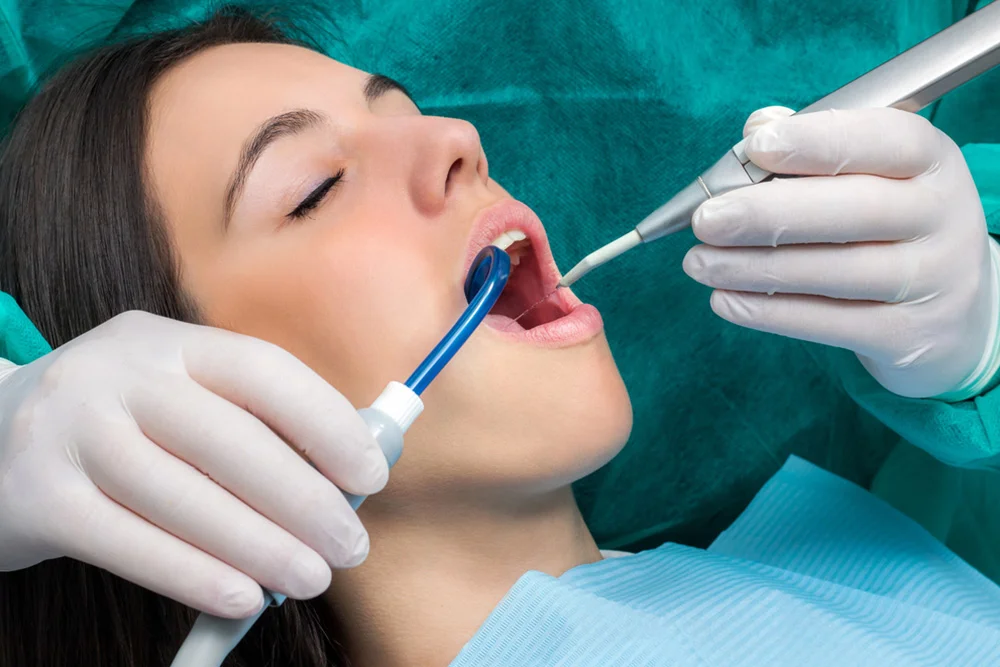
Not every dental problem can wait for a routine appointment. In this guide, we break down what actually counts as a dental emergency, from severe pain and uncontrolled bleeding to knocked-out teeth and facial swelling, so you know when to call us right away. You will also find a quick comparison of emergency and non-emergency situations, first aid steps to take while you wait for care, and guidance on when the ER is the better choice. Reach out to us immediately if you are experiencing a true dental emergency.
What is considered a dental emergency? A dental emergency is any situation involving severe pain, uncontrolled bleeding, facial swelling, a knocked-out or badly loose tooth, or a spreading infection. These signs mean you should call us right away rather than waiting for a routine appointment.
If you are unsure whether your situation qualifies, it is always safer to call and describe your symptoms so we can guide your next step.
| Situation | Call Us Now | Can Wait |
| Severe or worsening pain | Yes | - |
| Mild sensitivity to hot or cold | - | Yes |
| Uncontrolled bleeding after 10-15 minutes of pressure | Yes | - |
| Minor gum bleeding after flossing | - | Yes |
| Facial swelling, especially near the eye or throat | Yes | - |
| Small chip with no pain | - | Yes |
| Knocked-out or very loose adult tooth | Yes | - |
| Lost filling with no pain | - | Yes |
A sudden or worsening toothache often points to nerve irritation, a deep cavity, or an abscess. A sharp jolt of pain when you bite down can mean a fracture or root issue. Over-the-counter pain relievers and cold compresses may offer short-term relief, but professional care is needed to resolve the cause.
Swelling in the jaw or face is usually firm, sensitive, and warm, and often signals an infection near the tooth root. A small bump on the gum, called a fistula, may drain pus. Left untreated, the infection can spread to the jaw, sinuses, or throat. Swelling that affects the eye or interferes with breathing or swallowing is a medical emergency, go to the ER.
Minor bleeding after flossing is normal. Heavy or ongoing bleeding that continues for more than 10 to 15 minutes after applying steady pressure is not, and may point to gum disease, a soft-tissue injury, or a complication from a dental procedure. Seek care right away if pressure is not working.
Time matters here. The American Association of Endodontists recommends attempting reimplantation within 30 to 60 minutes for the best chance of saving the tooth. Handle it by the crown, not the root, and rinse gently without scrubbing. Try to place it back in the socket. If that is not possible, store it in milk or your cheek and come to us immediately.
Adult teeth should never feel loose or shift. This can signal damage to the bone or gum tissue from trauma, infection, or gum disease. Even without pain, get it evaluated quickly to avoid permanent tooth loss.
An abscess is a bacterial infection that causes intense, throbbing pain, swelling, fever, swollen lymph nodes, and sometimes a foul taste from draining pus. Left untreated, it can damage bone, affect nearby teeth, and spread further through the body. Treatment usually involves draining the infection and may include a root canal, extraction, or antibiotics.
A missing filling or crown exposes the tooth underneath and can lead to sensitivity or decay. It is not always a same-day emergency unless it is causing significant pain, but it should be addressed quickly to protect the tooth.
Cuts to the tongue, cheeks, or lips can cause bleeding and swelling. Rinse gently with clean water or saline. Deep cuts or bleeding that will not stop need urgent attention and may require stitches.
Go to the emergency room if you have trouble breathing or swallowing, facial trauma with a suspected fracture, or bleeding that will not stop with pressure. For everything else, from a bad toothache to a knocked-out tooth, calling us first is usually faster and gets you treatment specifically for your tooth or gums rather than general stabilization.
When a dental emergency strikes, we make room for same-day care whenever possible. Call our office as soon as symptoms start, describe what you are experiencing, and our team will walk you through what to do before you arrive so you are not managing it alone. Once you are in the chair, we focus on stopping pain, controlling infection, and stabilizing the tooth first, then we talk through the longer-term treatment plan once you are comfortable.
If your emergency happens outside our regular hours or you are not yet an existing patient, you can find more detail on same-day scheduling, what information to have ready, and how our team triages urgent calls in our guide to getting an emergency dentist appointment in Dublin, CA.
You can also view our full emergency dental care services to see the full range of urgent treatments we provide, from same-day extractions to trauma repair.
Most dental emergencies start as untreated issues, a small cavity, an early gum infection, a hairline fracture. Regular cleanings and exams with us help catch these before they escalate. It also helps to be mindful of habits like teeth grinding, nail-biting, or using your teeth as tools, and to wear a mouthguard during sports or while sleeping.
We know dental emergencies come without warning, so we offer timely, compassionate care tailored to your situation. Our team treats a wide range of emergencies, from sudden pain and infections to broken crowns and knocked-out teeth, using advanced tools and a patient-first approach.
If you are dealing with a dental emergency right now, call our office immediately at 925-951-6882 so we can get you the care you need.
.
Many dental plans cover emergency exams and treatment, though coverage varies by provider and plan. Call your insurer or ask our team to help verify your benefits before your visit.
Severe toothaches and infections are among the most common reasons patients seek emergency dental care, often caused by an untreated cavity or a cracked tooth.
A small, painless chip can usually wait for a regular appointment. A chip with sharp edges, pain, or visible nerve exposure should be treated as an emergency.
As fast as possible. The best chance of saving the tooth is reimplantation within 30 to 60 minutes, so head to us or store the tooth in milk right away.
If you cannot reach us and you have trouble breathing, uncontrolled bleeding, or facial trauma, go to the nearest emergency room. Otherwise, keep trying our office or an urgent dental line as soon as possible.
Quick Summary After teeth whitening, choosing light colored and gentle foods can help you feel...

Quick Summary Coffee before a dental appointment depends on the type of visit you have...

Quick Summary After teeth cleaning, it is best to avoid acidic drinks, hard snacks, sticky...