
12 White Foods After Teeth Whitening: What Your Dublin, CA Dentist Recommends
Quick Summary After teeth whitening, choosing light colored and gentle foods can help you feel...
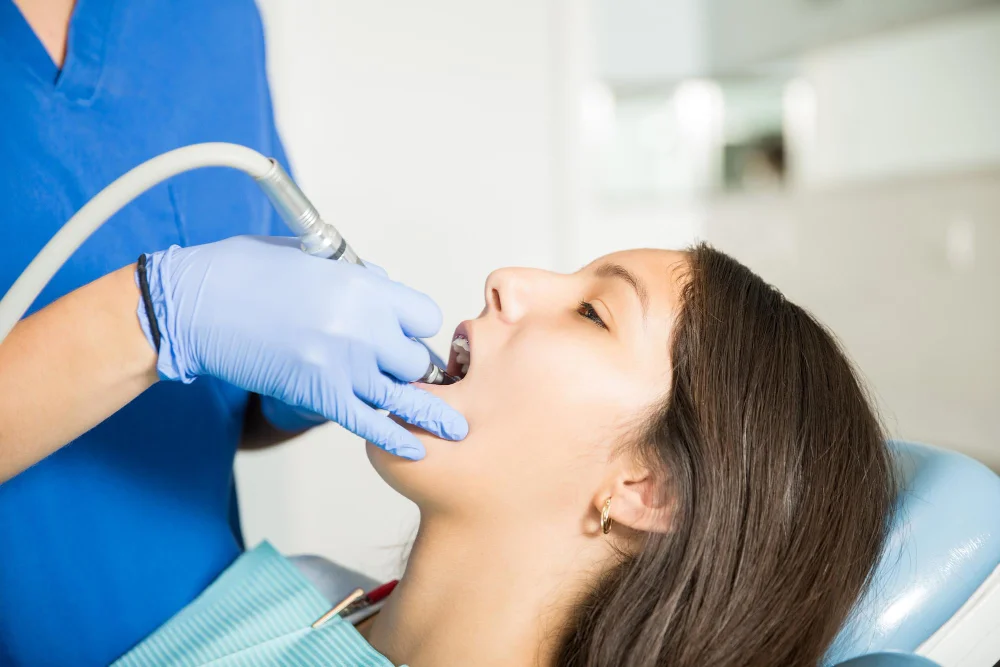
Healthy oral habits influence much more than the appearance of our smiles because daily brushing, flossing, hydration, and routine dental visits all work together to reduce plaque buildup, gum inflammation, and tooth decay before those issues become more serious. Consistent oral care also plays an important role in whole-body wellness, long-term comfort, and everyday confidence while helping us maintain healthier teeth and gums over time.
Understanding why oral hygiene is important helps us make better decisions for our teeth, gums, and long-term wellness. Daily oral care habits reduce plaque buildup, limit harmful bacteria, and help us maintain a healthier, cleaner smile throughout every stage of life with greater comfort and confidence over time.
Many people focus on oral care only when discomfort appears, but preventive habits often make the biggest difference. Brushing, flossing, routine cleanings, and healthy nutrition work together to lower the risk of cavities, gum disease, enamel erosion, and persistent bad breath that may gradually worsen without attention.
At Dublin Unique Dentistry, we believe oral health plays a major role in overall wellness, comfort, and confidence. We take a patient-focused approach that combines advanced dental technology, compassionate care, and detailed attention to help our patients maintain strong, healthy smiles for years ahead.
Cavities develop when plaque bacteria produce acids that weaken tooth enamel. Without regular brushing and flossing, those acids continue damaging the tooth surface until decay forms. Once cavities progress deeper into the tooth, discomfort and sensitivity often become more noticeable, which may also affect the appearance of a bright smile after teeth whitening treatments.
Good oral hygiene habits reduce food debris and bacterial buildup before enamel damage becomes severe. Using fluoride toothpaste, limiting sugary foods, and visiting us for routine dental cleanings all contribute to stronger cavity prevention, healthier long-term oral function, and better cosmetic results from teeth whitening procedures.
Gum tissue acts as the foundation that holds teeth securely in place. When plaque and tartar collect near the gumline, inflammation may begin developing around the surrounding tissues. Early gum disease often starts with redness, swelling, tenderness, or bleeding during brushing and flossing.
If gum disease continues progressing, it may eventually damage bone and supportive tissue beneath the gums. Strong oral hygiene habits help reduce bacterial accumulation and lower the chances of advanced periodontal complications that may affect tooth stability over time.
Persistent bad breath often develops from bacteria trapped between teeth, on the tongue, or along the gums. Food particles left behind after meals continue feeding oral bacteria, which may create unpleasant odors that linger throughout the day.
Consistent brushing, flossing, tongue cleaning, and hydration help reduce odor-causing bacteria and improve oral freshness. Maintaining cleaner teeth and gums often creates greater confidence during conversations, social gatherings, professional meetings, and daily interactions with others.
Plaque forms naturally on teeth every day, but it hardens into tartar when not removed consistently. Once tartar develops, brushing alone cannot fully remove the buildup from tooth surfaces and gumlines.
Routine oral hygiene habits slow plaque accumulation before tartar becomes more difficult to manage. Professional dental cleanings also help remove hardened deposits that may contribute to inflammation, gum disease, and enamel wear when left untreated for extended periods.
Many people ask how oral hygiene affects overall health, especially because oral bacteria may influence more than the mouth alone. Poor oral health has been associated with inflammation that can affect broader physical wellness and immune response.
Healthy gums and cleaner teeth help reduce bacterial spread and chronic inflammation within the body. Maintaining strong oral hygiene habits may contribute positively to cardiovascular wellness, diabetes management, respiratory health, and long-term systemic balance as part of an overall healthy lifestyle.
Ignoring small oral health concerns may eventually lead to larger and more expensive dental problems. Minor cavities, plaque buildup, or early gum irritation often become more complicated when treatment gets delayed for too long.
Preventive oral care helps us identify concerns earlier and maintain healthier teeth before major restorative procedures become necessary. Daily home care combined with regular dental visits often lowers the risk of emergency treatment, advanced decay, and extensive restorative work later.
Tooth enamel protects the inner structure of every tooth from bacteria, sensitivity, and temperature changes. Although enamel remains extremely strong, acidic foods, poor hygiene habits, and untreated plaque may gradually weaken its protective surface.
Brushing gently with fluoride toothpaste and maintaining proper oral care routines help preserve enamel strength and reduce erosion. Protecting enamel early often lowers the chances of tooth sensitivity, cracks, discoloration, and long-term structural damage as the years progress.
A healthy smile often looks cleaner, brighter, and more balanced. Plaque buildup, gum inflammation, staining, and untreated decay may gradually affect the appearance of teeth and reduce smile confidence during personal or professional interactions.
Good oral hygiene habits help maintain cleaner tooth surfaces and healthier gum tissue while reducing visible buildup and discoloration. Routine cleanings and preventive care also contribute to a fresher, more polished smile that feels comfortable and healthy every day.
Children, teenagers, adults, and seniors all benefit from strong oral hygiene routines. Early habits often influence lifelong dental health, making education and consistency especially valuable during childhood and adolescence.
Adults and older individuals also face changing oral health needs over time, including gum recession, tooth wear, dry mouth, or restorative maintenance. Maintaining proper hygiene habits throughout every stage of life helps preserve stronger teeth, healthier gums, and greater long-term comfort.
At Dublin Unique Dentistry, we believe strong oral hygiene habits create the foundation for healthier smiles and better long-term wellness. Our team combines advanced dental care with compassionate attention tailored to every patient’s needs.
Contact us for your next dental visit and take an important step toward stronger oral health.
We recommend brushing at least twice daily and flossing once each day. Consistent habits help reduce plaque buildup and protect gum health.
Yes. Poor oral health may contribute to inflammation and bacterial spread that can influence broader physical wellness and systemic health conditions.
Professional cleanings remove tartar buildup that regular brushing cannot fully eliminate. They also help identify oral health concerns before they worsen.
Common signs include bad breath, bleeding gums, tooth sensitivity, plaque buildup, discoloration, and recurring cavities that continue developing over time.
Quick Summary After teeth whitening, choosing light colored and gentle foods can help you feel...

Quick Summary Coffee before a dental appointment depends on the type of visit you have...

Quick Summary After teeth cleaning, it is best to avoid acidic drinks, hard snacks, sticky...