
12 White Foods After Teeth Whitening: What Your Dublin, CA Dentist Recommends
Quick Summary After teeth whitening, choosing light colored and gentle foods can help you feel...
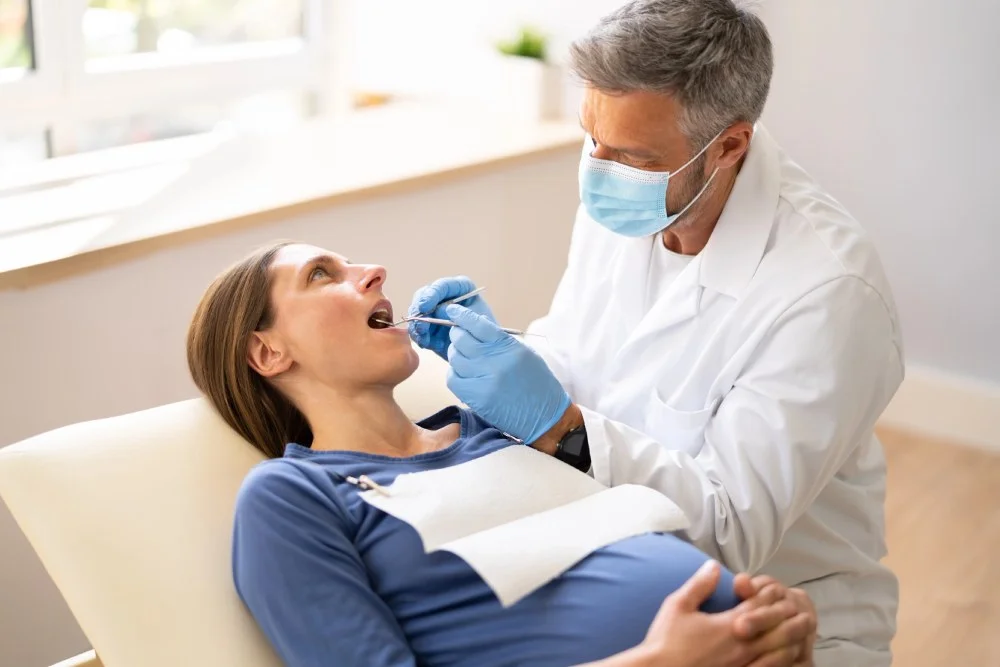
Dental extraction while pregnant is a concern many expectant mothers face when tooth pain, infection, or swelling suddenly appears.
Pregnancy brings many physical changes, and it is completely normal to worry about how dental treatment might affect both you and your baby. Fortunately, with proper timing, clinical precautions, and experienced care, many dental procedures can be performed safely during pregnancy.
In general dentistry, dentists carefully assess whether treatment is urgent or can be postponed. While preventive care is always encouraged, there are situations where an extraction is necessary to protect your health and prevent infection from spreading.
Understanding when tooth extraction is appropriate and how safety is prioritized can help you feel more confident and reassured about your dental care decisions. This article explains when tooth extraction is safe during pregnancy, what precautions are taken, and how to manage comfort and recovery with confidence and peace of mind.
Hormonal changes during pregnancy can increase the risk of gum inflammation, tooth decay, and infection. Increased blood flow to the gums may cause swelling or bleeding, while nausea and vomiting can expose teeth to stomach acid that weakens enamel.
Ignoring dental issues can allow infections to worsen, potentially affecting overall health. In severe cases, untreated oral infections may contribute to systemic inflammation, making timely dental care an important part of prenatal wellness.
Maintaining good oral health during pregnancy supports both maternal comfort and long-term dental stability.
Can you have a tooth extraction while pregnant? In most cases, this procedure is considered safe when performed with proper precautions. Dentists follow strict clinical guidelines to minimize risk, including using pregnancy-safe anesthetics and avoiding unnecessary medications.
The key factor is timing. Elective dental procedures are often postponed, but urgent or medically necessary extractions should not be delayed. Leaving an infected tooth untreated can pose greater risks than the procedure itself.
Your dentist and obstetrician may collaborate to ensure that treatment decisions align with your overall prenatal care plan.
The second trimester is generally considered the safest window for dental procedures, including extractions. During this time, fetal development is more stable, and many pregnancy-related symptoms, such as nausea, have eased.
The first trimester is a critical period for fetal development, so non-urgent procedures are often postponed if possible. In the third trimester, prolonged time in the dental chair may cause discomfort, and certain positions may be avoided.
However, if an extraction is urgent due to infection or severe pain, it can be performed safely at any stage of pregnancy with appropriate precautions.
There are situations where extraction is the healthiest option during pregnancy. These include severe decay, advanced infection, fractured teeth, or abscesses that do not respond to conservative treatment.
Pain, swelling, fever, or difficulty eating are signs that should not be ignored. Prompt evaluation allows dentists to determine whether the tooth can be saved or if removal is necessary to protect your health.
Delaying treatment in these cases can increase discomfort and the risk of complications.
Local anesthesia is commonly used for extractions and is considered safe during pregnancy when administered correctly. Dentists carefully select anesthetics and dosages to ensure maternal comfort without compromising fetal safety.
Certain medications, including antibiotics and pain relievers, are chosen based on established safety profiles. Your dentist will avoid drugs that are not recommended during pregnancy and may consult your obstetrician before prescribing medication.
Always inform your dental provider about your pregnancy and any prenatal medications you are taking.
Managing discomfort is an important concern, and pain relief for tooth extraction while pregnant is possible with safe, well-established options. Non-pharmacological approaches such as cold compresses, rest, and gentle oral hygiene play an important role in recovery.
When medication is needed, dentists recommend pregnancy-safe pain relievers and provide clear guidance on dosage and duration. Avoiding self-medication is essential, as some over-the-counter drugs are not suitable during pregnancy.
Following aftercare instructions closely helps promote healing and minimize discomfort.
Dental X-rays are generally avoided unless absolutely necessary, but when they are required, they can be performed safely with proper shielding. Modern digital X-rays use very low radiation levels, and protective lead aprons are used to safeguard the abdomen.
Accurate diagnosis is essential for determining the safest and most effective treatment. When imaging is needed, dentists ensure that exposure is kept to the minimum required for clinical decision-making.
Prevention is always preferable when possible. Regular dental checkups, professional cleanings, and consistent oral hygiene reduce the likelihood of needing urgent treatment.
Brushing twice daily with fluoride toothpaste, flossing gently, and maintaining a balanced diet help protect teeth and gums. Rinsing with water after nausea or vomiting can also reduce acid exposure. Proactive care supports comfort and reduces the risk of complications during pregnancy.
Dental anxiety is common, especially during pregnancy. A patient-centered approach emphasizes clear communication, emotional support, and respect for your concerns.
Dentists trained in compassionate care take time to explain procedures, answer questions, and adjust treatment plans to prioritize comfort. Advanced technology and gentle techniques further enhance the patient experience. Feeling informed and supported can significantly reduce stress and improve outcomes.
Healing after an extraction during pregnancy is similar to healing at other times, though attention to rest and nutrition is especially important. Most patients experience mild soreness and swelling that resolves within a few days.
Good oral hygiene, soft foods, and hydration support recovery. Contact your dentist if you notice signs of infection, such as increasing pain, fever, or unusual swelling. Proper aftercare ensures smooth healing and peace of mind.
Timely, well-managed dental care during pregnancy protects both comfort and health while preventing complications. With professional guidance and adherence to clinical guidelines, extractions can be performed safely when needed.
At Dublin Unique Dentistry, we provide comprehensive, patient-centered care using advanced technology and a highly skilled team. We proudly offer services including implants, Invisalign, cosmetic dentistry, emergency dental care, and extractions, always prioritizing safety and compassion for expectant mothers.
Contact us today to schedule a consultation and receive gentle, expert dental care you can trust during pregnancy.
Quick Summary After teeth whitening, choosing light colored and gentle foods can help you feel...

Quick Summary Coffee before a dental appointment depends on the type of visit you have...

Quick Summary After teeth cleaning, it is best to avoid acidic drinks, hard snacks, sticky...