
12 White Foods After Teeth Whitening: What Your Dublin, CA Dentist Recommends
Quick Summary After teeth whitening, choosing light colored and gentle foods can help you feel...
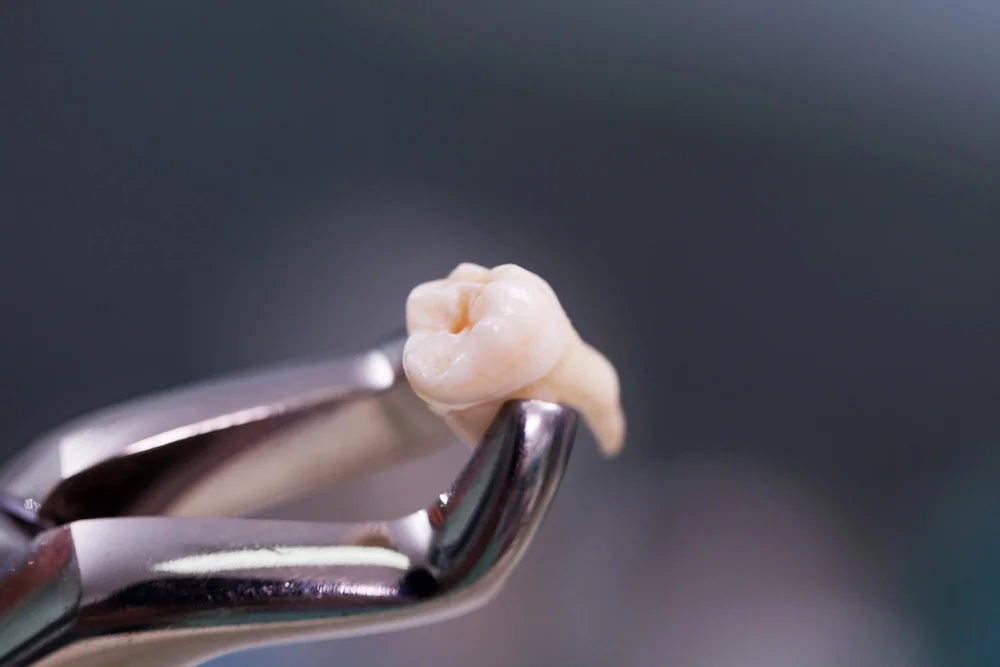
Wisdom teeth are the last set of molars to develop in the mouth, usually emerging between the ages of 17 and 25. Often, these teeth do not grow in properly, which leads many to ask, "Why do people get their wisdom teeth removed?" The answer is usually connected to the complications these teeth can cause.
Wisdom teeth can become impacted, infected, or cause discomfort, making removal necessary. While some people experience no immediate symptoms, dental professionals frequently recommend extraction before serious issues arise.
Addressing potential problems early protects both oral health and overall well-being.
A key reason people choose removal is to prevent future problems. Wisdom teeth can emerge at awkward angles or become impacted, causing misalignment. This may result in dental shifting, where surrounding teeth move out of place.
The pressure can also create discomfort at the back of the mouth, affecting bite alignment and sometimes even causing jaw soreness or headaches. Removing wisdom teeth early helps preserve the straightness of a smile, prevents long-term oral health issues, and avoids costly orthodontic treatments later.
Understanding “Why do people get their wisdom teeth removed?” often starts with this preventative perspective.
Wisdom teeth are often prone to impaction, a condition where they fail to emerge fully from the gums. When a tooth is impacted, it can be either partially or fully stuck in the jawbone or gum tissue. Impacted wisdom teeth may remain under the surface, causing pain and potential infection.
Depending on the type of impaction — angular, horizontal, or vertical — the wisdom tooth may press against neighboring teeth, causing pressure or damage. For this reason, dentists frequently recommend extraction to prevent long-term damage to your oral health.
Another reason for wisdom tooth removal is to reduce the risk of infection. Partially erupted teeth create pockets where food and bacteria can accumulate, which are difficult to clean. This increases the risk of gum disease, cavities, and infection, and can also contribute to bad breath and persistent oral inflammation.
Untreated wisdom teeth may also develop cysts or tumors, requiring more invasive surgery. Removing these teeth before complications arise helps prevent future discomfort, additional procedures, and potential long-term damage to surrounding teeth and gums.
Wisdom teeth often cause jaw pain when they are impacted or only partially erupted. These teeth can press against neighboring teeth and surrounding tissues, creating persistent discomfort. The pressure may make it difficult to fully open the mouth and can lead to jaw stiffness over time.
In some cases, cysts or infections develop around the affected tooth, increasing the intensity of pain. This discomfort can interfere with daily activities, including eating and speaking. For many patients, having the wisdom teeth removed is the most effective way to relieve pain and restore normal jaw function.
Wisdom teeth, especially those in the upper jaw, can sometimes impact the sinuses. Their roots may grow close to or toward the sinus cavity, creating pressure that can lead to headaches, congestion, and even sinus infections.
In more severe cases, this pressure can cause significant discomfort and increase the risk of serious sinus problems. Removing these teeth often relieves sinus pressure and helps prevent these uncomfortable complications before they worsen.
Minimizing the Risk of Dental Crowding
Wisdom teeth can lead to dental crowding when there isn’t enough space in the mouth for all of your teeth. As they erupt, they may push neighboring teeth out of alignment, making it more difficult to maintain a straight smile.
For those who have had orthodontic treatment, wisdom teeth can sometimes reverse the progress achieved. Removing these teeth helps preserve dental alignment and lowers the likelihood of needing additional orthodontic work in the future.
Many people choose to have their wisdom teeth removed even when they are not causing any current problems. The reason is that these teeth can create issues later, even if they appear symptom-free now.
As wisdom teeth continue to develop or erupt, they may lead to infections, misalignment, or other complications. Removing them proactively is a preventative step that helps protect long-term oral health. This will reduce the risk of pain and the need for additional dental treatments.
Untreated wisdom teeth can increase the risk of tooth decay over time. Positioned at the back of the mouth, they are harder to clean properly, which allows plaque to build up. If plaque is not removed through regular brushing and flossing, it can lead to cavities and decay.
Partially erupted or impacted wisdom teeth face an even higher risk of developing cavities and damaging neighboring teeth. Removing them helps prevent these issues and protects the health and integrity of your other teeth.
While stem cell banking may not be the first thing that comes to mind when considering wisdom teeth removal, there is a growing interest in this practice. The stem cells found in wisdom teeth are rich in potential for future medical therapies.
Some patients choose to bank these stem cells during their wisdom tooth extraction in case they need them for regenerative treatments down the line. While this is not a reason to remove your wisdom teeth on its own, it is an option that can benefit patients in the future.
At Dublin Unique Dentistry, we understand that wisdom tooth removal can seem daunting. Our experienced team is here to guide you through the process with care and expertise. We focus on your comfort and ensure that the procedure is as smooth and stress-free as possible.
If you are considering wisdom tooth removal, we are here to answer your questions and provide a personalized treatment plan. Your smile and overall health are our top priority. Contact us today to schedule a consultation and learn more about how we can help.
Quick Summary After teeth whitening, choosing light colored and gentle foods can help you feel...

Quick Summary Coffee before a dental appointment depends on the type of visit you have...

Quick Summary After teeth cleaning, it is best to avoid acidic drinks, hard snacks, sticky...