
How To Find A Good Dentist In Dublin, CA
A healthy smile starts with a reliable partner who maintains high standards for oral health...
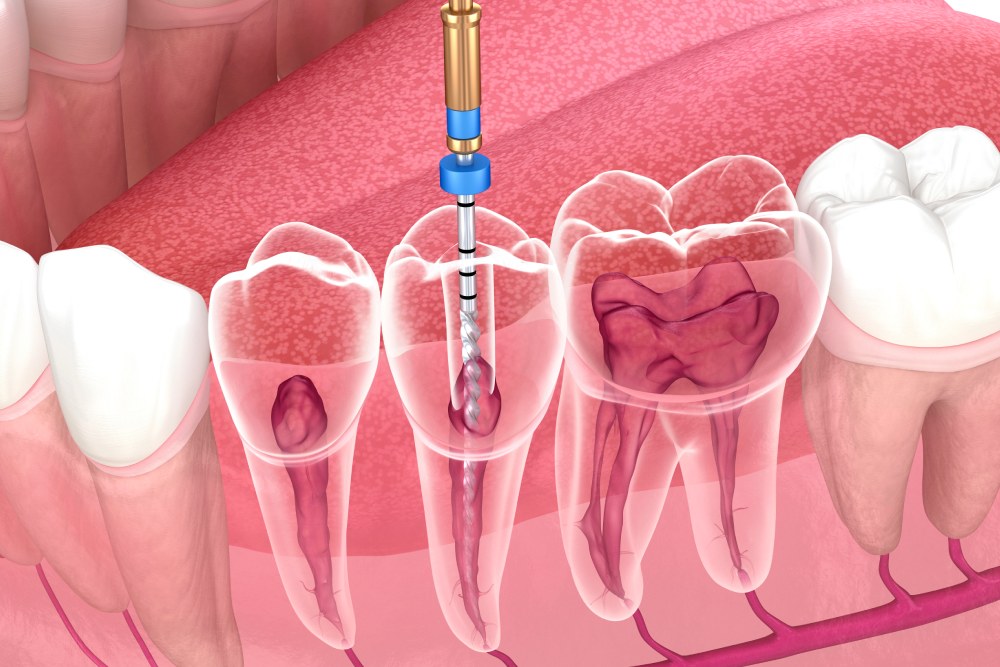
Tooth extraction or root canal decisions can feel overwhelming, especially when you are already dealing with dental pain, anxiety, or uncertainty about what treatment is truly best for your long-term oral health. Understanding the differences between these two common dental procedures can help you feel more confident, informed, and at ease when discussing your options with your dentist.
In general dentistry, both treatments are used to address severe tooth damage, infection, or decay. The right choice depends on several factors, including the condition of the tooth, your overall oral health, and your personal comfort and budget.
While an extraction removes the tooth entirely, a root canal is designed to save and restore the natural tooth whenever possible. Each approach has clear benefits, and neither is automatically “better” in every situation.
Modern dentistry focuses on preserving natural teeth whenever it is safe and effective to do so. However, there are cases where removal is the healthiest option. Knowing how dentists evaluate your tooth and what outcomes you can expect from each treatment allows you to participate actively in your care rather than feeling rushed into a decision.
Below, we break down everything you need to know so you can choose the treatment that supports both your immediate comfort and your long-term smile.
What Is the Purpose of Each Treatment?
Before comparing tooth extraction vs. root canal, it helps to understand what each procedure is meant to accomplish.
A root canal treats infection or inflammation inside the tooth. The dentist removes the damaged pulp, cleans and disinfects the canal, and seals it to prevent future infection. This process keeps the natural tooth structure intact, which is important for chewing efficiency, jaw health, and overall smile aesthetics.
A tooth extraction, on the other hand, involves removing the tooth from the socket entirely. This option is typically recommended when the tooth is too damaged to be saved, when infection has spread extensively, or when preserving the tooth could harm surrounding teeth and gums.
Both treatments are common in general dentistry and are performed with patient comfort and safety as top priorities.
Root canal therapy is often recommended when the tooth can still be saved. Common situations include deep cavities, cracked teeth, or infection that has reached the pulp but not destroyed the tooth structure.
Saving the natural tooth offers several advantages. It maintains proper bite alignment, prevents nearby teeth from shifting, and avoids bone loss in the jaw. From a functional and aesthetic perspective, preserving the tooth is often ideal.
Many patients worry that root canals are painful. In reality, modern techniques and advanced technology have made the procedure comfortable and highly effective. In most cases, the pain you feel before treatment from infection is far worse than the procedure itself.
There are times when tooth extraction and root canal options are weighed carefully, and removal becomes the healthier choice. This may occur when a tooth is severely fractured, extensively decayed below the gum line, or affected by advanced gum disease.
Extractions may also be recommended if an infection threatens the surrounding bone or neighboring teeth. In these cases, removing the tooth can prevent more serious complications and protect your overall oral health.
While losing a tooth can feel intimidating, modern dentistry offers excellent replacement options, including dental implants. These solutions restore both function and appearance, allowing patients to smile and chew confidently again.
When comparing tooth extraction vs. root canal, the biggest difference lies in what happens after treatment. A root canal preserves your natural tooth, often followed by a crown for strength and protection. This typically results in a stable, long-lasting outcome with proper care.
An extraction removes the tooth, which may require a follow-up treatment such as an implant, bridge, or Invisalign-supported alignment to maintain proper spacing. While these solutions are effective, they involve additional time and investment.
Dentists consider factors such as healing time, long-term oral health, and your personal goals when recommending one option over the other.
Both treatments are performed with local anesthesia and, when needed, sedation options to ensure comfort. A root canal usually involves mild soreness afterward, which can be managed with over-the-counter pain relievers.
Extraction recovery may take slightly longer, especially if the tooth was impacted or required surgical removal. Swelling and tenderness are common but temporary, and your dental team will provide clear aftercare instructions to support healing.
From a comfort standpoint, neither procedure should cause significant pain when performed by a skilled, patient-focused dental team.
Cost is often a concern when choosing between treatments. A root canal may appear more expensive upfront, especially when paired with a crown. However, preserving your natural tooth can prevent future costs related to tooth replacement and alignment issues.
An extraction may cost less initially, but replacement options such as implants can add to the total expense over time. When evaluating cost, it is important to think long-term rather than focusing solely on the immediate procedure.
Your dentist can help you understand insurance coverage, payment options, and the long-term value of each choice.
Advancements in dental technology have greatly improved both procedures. Digital imaging, precise diagnostic tools, and modern materials allow dentists to make more accurate recommendations and deliver better outcomes.
Highly skilled dental teams follow ADA guidelines to ensure safe, effective, and ethical care. Accreditation through organizations such as the ADA and Invisalign reflects a commitment to quality, ongoing education, and patient safety.
Choosing a dental practice that prioritizes advanced technology and comprehensive services can make a meaningful difference in your experience and results.
Ultimately, the choice between a root canal and an extraction is personal and should be based on professional evaluation and open discussion. Your dentist will assess the health of the tooth, the surrounding structures, and your overall oral health before making a recommendation.
Do not hesitate to ask questions, express concerns, or discuss your goals. A patient-centered approach ensures that your treatment plan aligns with both your health needs and your comfort level.
Dental emergencies often change how dentists evaluate tooth extraction or root canal options. Severe pain, facial swelling, trauma from accidents, or rapidly spreading infection may require immediate action to protect your health. In these cases, emergency dental care focuses on stopping infection and relieving pain first, then determining whether the tooth can still be saved.
If the tooth structure is intact and the infection is contained, a root canal may be performed even in urgent situations. However, when an infection threatens the jawbone or surrounding teeth, extraction may be the safest option. Quick diagnosis using advanced imaging allows dentists to make fast, accurate decisions without compromising long-term outcomes.
This section reinforces the importance of timely care, aligns well with emergency dental services, and helps readers understand why treatment recommendations may differ during urgent situations.
Choosing the right treatment is about protecting your oral health while preserving comfort, function, and confidence in your smile. With the right guidance, even difficult decisions become manageable and empowering.
At Dublin Unique Dentistry, we believe in educating our patients and providing compassionate, comprehensive care using advanced technology and a highly skilled team. We are proud to offer services such as implants, Invisalign, cosmetic dentistry, emergency dental care, and extractions, all designed around your needs.
Schedule a consultation with us today to explore your options and take the next step toward a healthier, more confident smile.
A healthy smile starts with a reliable partner who maintains high standards for oral health...

Oral health requires specific knowledge of the different parts of the mouth and teeth. A...

Restore Your Smile with Confidence Living with missing teeth can influence how a person eats,...