
Dental Implants Vs. Dentures Dublin CA
Restore Your Smile with Confidence Living with missing teeth can influence how a person eats,...

Dental emergencies interrupt daily life without warning and often demand immediate attention. Sudden pain, swelling, or trauma can escalate quickly if left untreated, making timely access to professional care a priority. Many patients feel uncertain about the right steps to take when symptoms appear outside normal scheduling routines.
Understanding how emergency dental appointments work in Dublin, CA helps reduce hesitation and allows faster action. With the right approach, patients can secure prompt care, limit complications, and focus on restoring oral health rather than managing uncertainty during stressful moments.
Knowing how to get an emergency dentist appointment begins with recognizing when a situation qualifies as urgent. Dental emergencies involve conditions that cause intense pain, active infection, bleeding, or trauma to the teeth or surrounding structures. These situations often worsen without professional intervention.
Severe toothaches linked to infection, facial swelling, abscesses, knocked-out teeth, broken teeth with exposed pulp, and uncontrolled bleeding all require urgent evaluation. A loose adult tooth or trauma from accidents or sports also falls into this category. When pain interferes with normal activities or sleep, emergency care is usually appropriate.
Delay can transform a manageable dental issue into a more complex problem. Infections can spread beyond the tooth, fractures can deepen, and swelling can compromise surrounding tissues. Early evaluation often allows more conservative treatment and reduces the likelihood of tooth loss.
Patients searching for an emergency dentist in Dublin often wait longer than necessary because they are unsure how to proceed. Prompt contact with a qualified dental office improves outcomes and limits the need for extensive procedures later.
Dental emergencies can feel overwhelming, especially when pain or trauma appears suddenly. Taking the right actions in the first moments helps limit complications and prepares you for professional care. A calm, structured response makes a meaningful difference in both comfort and outcomes.
Take a moment to understand what you are experiencing. Notice the location of pain, swelling, bleeding, or visible damage. Avoid panic-driven decisions or home remedies that could aggravate the problem. A clear assessment helps you describe symptoms accurately when speaking with a dental professional.
Rinse your mouth gently with warm water to remove debris and reduce irritation. Apply a cold compress externally to control swelling and discomfort. Oral pain medication may help temporarily, but medication should never be placed directly on gums or teeth, as this can damage soft tissue.
If a tooth is chipped, cracked, or knocked out, avoid chewing on that side. Save any broken fragments if possible. For a lost filling or crown, keep the area clean and avoid sticky or hard foods until a dentist evaluates the damage.
Calling a dental office as soon as symptoms appear is often the fastest path to care. Emergency dental teams can assess urgency over the phone and advise on next steps. Clear communication helps them determine whether same-day treatment is needed.
After speaking with the dental office, follow their instructions closely while waiting for your appointment. This may include continued cold compress use or dietary adjustments. Professional guidance helps stabilize the situation until in-person treatment begins.
Emergency dental appointments differ from routine visits. They focus on urgent diagnosis and relief rather than preventive care. Many offices reserve time for same-day emergencies or adjust schedules to accommodate urgent cases.
When calling, patients should clearly explain symptoms, duration, and any visible trauma. This information helps the dental team prioritize care appropriately. Some emergencies receive same-day appointments, while others may require immediate referral to a hospital if life-threatening conditions are suspected.
Emergency visits usually begin with a focused examination and diagnostic imaging. The dentist identifies the cause of pain or trauma and discusses treatment options. The goal centers on relieving discomfort, controlling infection, and stabilizing oral health.
Treatment may involve temporary or definitive care depending on the diagnosis. In some cases, follow-up visits are scheduled after the emergency phase resolves. Clear communication during this visit helps patients understand next steps and recovery expectations.
Many patients wonder if an emergency room visit is appropriate for dental pain. Emergency rooms can address severe infections, trauma affecting breathing, or systemic symptoms. However, they typically do not offer definitive dental treatment.
A Dublin emergency dentist focuses on oral conditions and can deliver targeted care such as extractions, infection management, or temporary restorations. For most dental emergencies without systemic risk, contacting a dental office directly leads to faster and more effective resolution.
While waiting for an appointment, basic first aid helps manage symptoms safely. For toothaches, gentle rinsing and cold compresses can reduce swelling. For broken teeth, saving fragments and avoiding chewing on the affected side helps limit damage.
Knocked-out teeth require immediate attention. Holding the tooth by the crown, rinsing gently, and placing it in milk or a suitable storage solution increases the chance of successful reattachment if treated quickly.
These steps do not replace professional care but help preserve oral structures until treatment begins.
Routine dental visits reduce the likelihood of emergencies by identifying issues early. Preventive services address decay, gum disease, and structural weaknesses before they progress into urgent conditions.
Patients who stay consistent with routine dental care in Dublin, CA tend to face fewer unexpected issues. Early treatment helps reduce risks and supports better long-term results, even though emergencies can still arise without warning.
Local access matters during emergencies. Choosing a dental office familiar with emergency protocols helps streamline care. Practices offering comprehensive services can address a wider range of issues without delay.
For patients seeking Dublin, CA emergency dental care, understanding office availability and emergency policies ahead of time helps reduce response time when symptoms arise.
Insurance coverage for emergency dental care varies by plan. Many policies cover emergency exams and diagnostic imaging, while treatment coverage depends on procedure type and plan limits. Deductibles and annual maximums also influence out-of-pocket costs.
Patients without insurance may discuss payment options with the dental office after evaluation. Clear communication regarding fees helps patients make informed decisions during urgent situations.
Emergency dentistry demands accuracy under pressure. Advanced diagnostic tools such as digital imaging allow dentists to detect fractures, infections, and internal damage quickly. This precision guides appropriate treatment without unnecessary delay.
Experienced clinicians recognize subtle signs that influence treatment planning. A skilled team reduces uncertainty and improves patient confidence during stressful visits.
Emergency treatment focuses on immediate relief, but it also connects to long-term oral health goals. Stabilizing a tooth or infection often leads to restorative or cosmetic follow-up care. Addressing the root cause prevents recurrence and protects remaining teeth.
Emergency visits often highlight the importance of ongoing maintenance and timely restorative care, including extractions, implants, or cosmetic solutions when needed.
Here are common reasons patients seek emergency dentist appointments, written clearly and focused on real-world symptoms:
These situations often require prompt evaluation to prevent further complications and discomfort.
Preparation improves efficiency during emergency visits. Bringing insurance information, medical history, and a list of current medications helps the dental team assess risk factors quickly. Clear communication about symptoms and timing supports accurate diagnosis.
Patients benefit from saving contact details for a trusted local dental office in advance. Quick access reduces delays during urgent situations.
Certain symptoms require urgent medical evaluation beyond dental care. Difficulty breathing, fever with facial swelling, or trauma affecting the jaw or airway warrants immediate medical attention. In such cases, emergency medical services should be contacted first.
For isolated dental pain or trauma without systemic risk, contacting a dental office remains the most direct route to care.
At Dublin Unique Dentistry, we approach emergency care with attention, precision, and respect for patient comfort. Our team evaluates urgent concerns promptly, explains treatment options clearly, and uses modern technology to guide decisions.
If you need to get an emergency dentist appointment in Dublin, CA, we are here to respond quickly and thoughtfully. Contact us today to schedule care when it matters most.
Restore Your Smile with Confidence Living with missing teeth can influence how a person eats,...
Dental emergencies interrupt daily life without warning and often demand immediate attention. Sudden pain, swelling,...
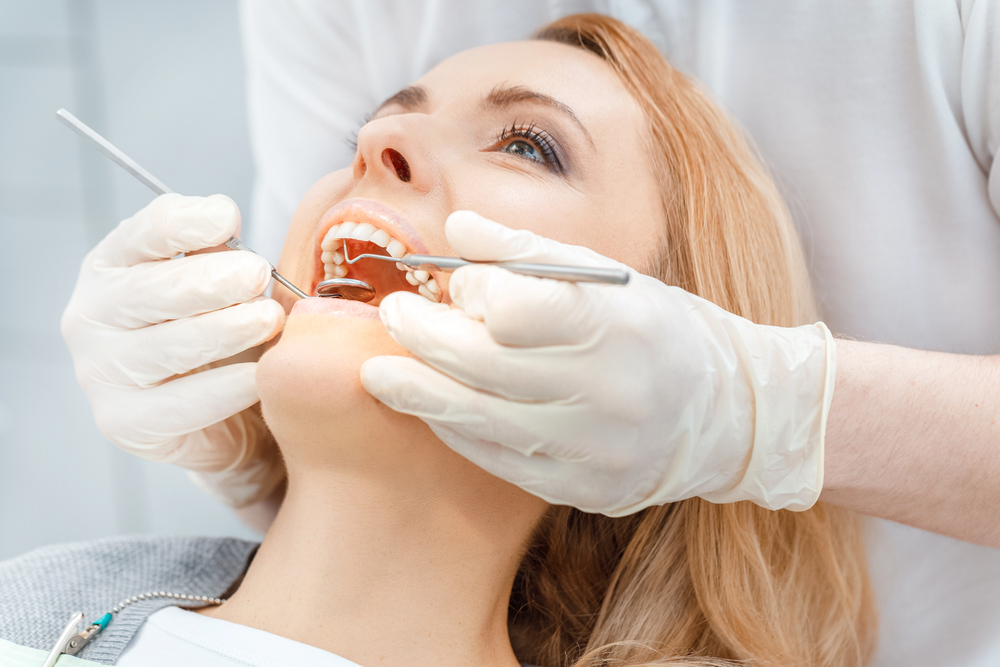
Dental emergencies often arrive without warning and can disrupt daily life within minutes. Sudden tooth...